

How to Market an Optometry Practice in 2026: Ideas That Drive Appointments

- Remove the current class from the content27_link item as Webflows native current state will automatically be applied.
- To add interactions which automatically expand and collapse sections in the table of contents select the content27_h-trigger element, add an element trigger and select Mouse click (tap)
- For the 1st click select the custom animation Content 27 table of contents [Expand] and for the 2nd click select the custom animation Content 27 table of contents [Collapse].
- In the Trigger Settings, deselect all checkboxes other than Desktop and above. This disables the interaction on tablet and below to prevent bugs when scrolling.
Updated June 26, 2026
Looking for the best optometry marketing ideas for 2026 and beyond? These strategies will help your practice attract new patients, keep loyal ones engaged, and stay competitive as healthcare evolves.
What Sets Optometry Marketing Apart?
Optometry marketing is all about connecting with your local community—much more than just blanketing generic healthcare messages across a broad audience. Sure, you’ll find eye doctors leveraging all the digital standbys: Google search ads, clever social media posts, well-crafted email newsletters, and some good old-fashioned SEO sprinkled in. But unlike broader medical marketing, optometry shines when it gets hyperlocal and personal.
Why? Because patients usually search for an eye doctor just minutes from home or work. That means your success hinges on things like:
- A Google Business Profile that pops up front and center in local search results
- A welcoming website designed to turn curious visitors into real appointments
- Community involvement—think vision screenings at the neighborhood fair or partnerships with local schools
It’s this blend of tech-savvy approaches and authentic, boots-on-the-ground outreach that makes optometry marketing unique. Done right, it doesn’t just grow your schedule—it grows your reputation, keeps patients loyal, and inspires those ever-valuable word-of-mouth referrals.
Virtual Try-On Technology
Virtual try-on tools are now an expectation for many patients shopping for eyewear. By integrating them into your website, app, or social media, you let patients “try before they buy” from the comfort of home.
Promote this feature in emails, office signage, and digital ads. A convenient, interactive shopping experience improves patient satisfaction and sets your practice apart.
See how optometry practice management software can support advanced tools like this.
Enhancing Patient Acquisition with Online Booking and Mobile Optimization
Meeting patients where they are (often on their smartphones) is essential in today’s digital-first world. Most potential patients discover optometry practices online, and their first impression often comes from your website. If your site loads quickly on mobile devices and offers an intuitive path to scheduling, you immediately reduce friction in the appointment process.
With more than half of healthcare searches occurring on mobile devices, responsive design isn’t optional. It’s crucial.
Make sure your “Book an Appointment” button is clearly visible and easy to tap from any device and on every page, not just the contact page. This streamlines the journey from curious browser to booked appointment while patients are most interested.
By prioritizing a seamless mobile experience and online booking, you cater to modern patient expectations—boosting acquisition, improving satisfaction, and lifting your practice above the competition.
Essential Website Features to Convert Visits into Appointments
When it comes to turning website visitors into new patients, your website should work as more than just a digital business card—it should actively guide people to book with you. Here’s how thoughtful features and content can make the difference:
1. Mobile-Optimized, Fast-Loading Design
Most new patients will discover your practice on their phones, likely after hours. If your website isn’t mobile-friendly and quick to load, you’re risking missed opportunities before you ever get their call.
A sleek mobile experience shows you value their time—and wins you points before anyone’s even stepped through your doors.
2. Prominent and Persistent “Book Now” Buttons
Don’t make visitors hunt for a way to book. Every page should have an obvious, easy-to-tap call to action (CTA) for scheduling an appointment. Users expect to book—not just browse—at any hour, so your online scheduling tool should be visible sitewide.
3. Online Booking and Appointment Reminders
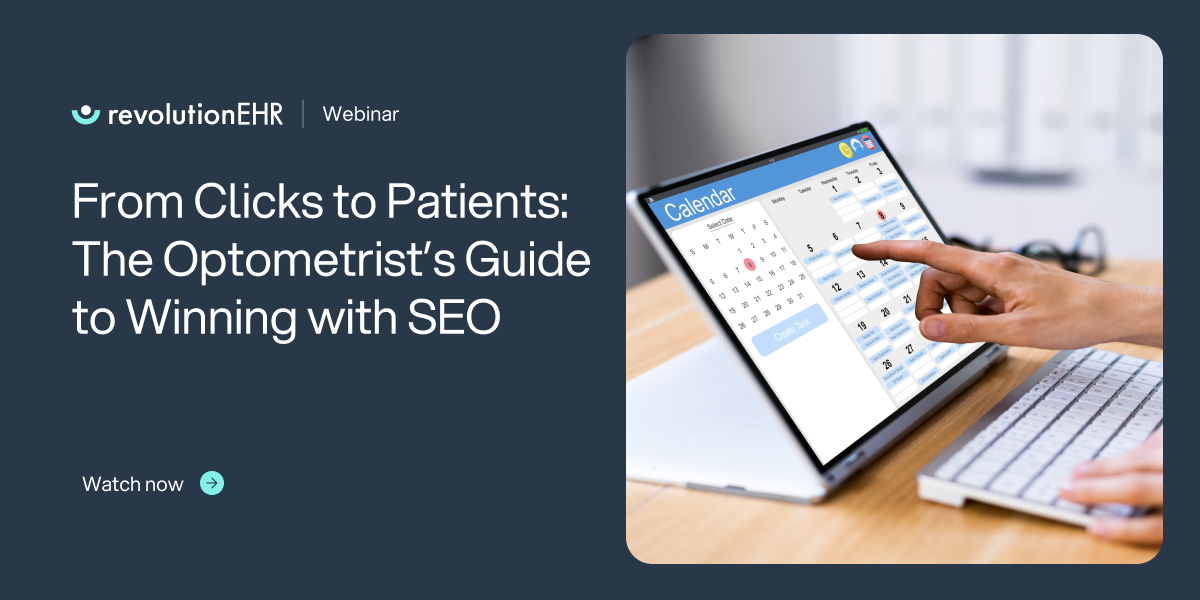
Enable 24/7 online booking. Many patients are looking to schedule appointments in the evening when your office is closed.
If your site makes it easy to self-book, paired with automated reminders, you eliminate friction and reduce no-shows.
4. Trust-Building Elements
Display your doctor’s qualifications, certifications, and the types of insurance you accept. Real patient photos (with consent), genuine testimonials, and staff introductions help visitors connect with the real people behind your practice. Authenticity goes further than generic stock images ever could.
5. Service-Specific Pages
Dedicate pages to specialties like pediatric care, myopia management, or dry eye treatment. This not only helps your site rank for specific services but also reassures patients that you can meet a variety of needs for the entire family.
6. Digital Intake Forms
Allowing patients to complete forms online before their visit reduces wait times and paperwork, making the entire process smoother from the start.
By building your web presence around these features, you transform casual browsing into confident bookings, reducing missed opportunities and attracting happier new patients from the very first click.
Educational Content Creation
Patients are increasingly looking online for reliable information. Research shows people are far more likely to book after engaging with educational content.
Develop blogs, short videos, and infographics on eye health, lifestyle vision tips, or new eyewear trends. Share them across your website, newsletters, and social media, and always encourage readers to schedule their next appointment.
Browse the RevolutionEHR Blog for more inspiration.
SEO Content Marketing: Bringing More Eyes to Your Practice
When patients have questions about their vision—whether it’s “why are my eyes dry?” or “should I try blue light glasses?”—they almost always start with a quick Google search. That’s where smart SEO content steps in.
By publishing well-organized, easy-to-read blog posts that answer common eye care questions, your practice can show up right where people are looking. Consider creating content like:
- Long-form articles with engaging subheadings that walk readers through topics like “how to know if you need an eye exam” or “the benefits of daily disposable lenses.”
- FAQs, using direct, simple answers to the questions you hear most in your office and online.
- Internal links guiding readers to your appointment page or relevant services.
Relevant, trustworthy blog content not only helps educate your community but also signals to search engines (like Google) that your website is a reliable resource. This increases your chance of being featured in search results or even in Google’s “Featured Snippets”—those handy answer boxes at the top of the page.
For maximum credibility, always reference reputable organizations such as the American Optometric Association when sharing advice. If producing regular content sounds overwhelming, consider streamlining the process or assembling a small team to keep your blog fresh and SEO-friendly.
Consistent, well-crafted SEO content turns online searches into real-world bookings—making your practice a go-to destination for patients seeking trustworthy eye care advice.
Specialty Service Pages That Convert
A well-structured specialty service page is more than a digital business card—it’s your practice’s opportunity to stand out when patients are searching for targeted solutions like myopia management, dry eye treatment, or vision therapy.
Here’s how to build pages that both educate and attract motivated patients:
- Clearly Explain Each Condition: Begin with a simple, jargon-free overview of the issue (e.g., “What Is Myopia?”). Use patient-friendly language and relatable scenarios to help readers quickly determine whether the content resonates with their needs.
- Outline Your Unique Approach: Describe your methods, state-of-the-art technology, or special expertise. Parents wading through options for their child’s myopia, for instance, will appreciate straightforward details about your treatment philosophy and what to expect.
- Address Common Questions: Anticipate concerns with brief FAQs or myth-busting sections. This reduces uncertainty and helps nurture trust—especially for those unfamiliar with terms like “vision therapy” or “dry eye.”
- Engage with Action-Oriented Content: Use images, quick infographics, or short explainer videos to make information memorable. Calls to action—like “Schedule a Consultation” or “Download Our Parents’ Guide to Myopia”—invite the reader’s next step.
- Optimize for Search: Integrate specific keywords and phrases that reflect what high-intent patients are actually typing into Google. This positions your page to reach the exact audience actively seeking help.
The result? Specialty pages that do more than inform—they convert, by making complex care accessible and showing patients (and parents!) they’ve found the right place for expert guidance.
Strengthen Credibility with Trusted Sources
Citing reputable organizations like the American Optometric Association instantly boosts the trustworthiness of your educational content. When readers see information backed by respected experts, they're more likely to view your practice as knowledgeable and reliable—which can help set your advice apart from the noise they find elsewhere.
When possible, link to authoritative sources or studies within your articles and media. This not only reassures your audience that your insights are well-founded but also signals that your practice stays current with industry best practices.
Community Vision Health Events
As in-person engagement returns stronger than ever, community events are powerful ways to build relationships.
Host free screenings, school vision fairs, or wellness seminars. Partner with local organizations to expand reach. These events promote eye health and establish your reputation as a trusted provider in your community.
Loyalty and Referral Programs
With patients relying heavily on recommendations from friends and family, referral programs remain among the most effective marketing ideas.
A simple, visible incentive structure works best: offer meaningful rewards like discounts, complimentary services, or early access to new frames for every successful referral. Patients who feel appreciated are more likely to recommend your practice to others.
To maximize results, make your referral program easy to understand and highly visible—feature it at checkout, mention it during appointments, and reinforce it through your regular email campaigns.
Loyalty points or a small gift can add an extra layer of motivation. When patients see real value in spreading the word, your reputation grows organically right alongside your patient base.
Social Media Campaigns
Social platforms continue to evolve, with video and interactive content driving the highest engagement.
In 2026, prioritize:
- #Hashtag challenges encouraging patients to share their eyewear style
- Short-form video testimonials showcasing happy patients
- Behind-the-scenes clips to humanize your practice
This type of content extends your reach and builds trust in a fun, relatable way.
If you’re just getting started, begin with video content.
- The average internet user now spends nearly a third of their online time on social media platforms, and video is the format most likely to build trust—it brings you closer to a real, one-to-one interaction with potential patients.
- Short clips introducing your optometric team, explaining common eye conditions, or offering a virtual walk-through of your office consistently outperform static image posts on platforms like Facebook, Instagram, and Reels.
Remember, engaging video content doesn’t require a full production crew—a smartphone, good lighting, and authentic energy go a long way. Focus on quick, genuine moments that educate, entertain, or introduce your practice’s personality. This approach not only increases your visibility but also helps your practice remain top-of-mind for both new and returning patients.

Seasonal Marketing Campaigns
Seasonal marketing isn’t just for coffee shops and clothing retailers—it’s a proven strategy for optometry practices, too. By aligning your campaigns with timely needs and community rhythms, you can spark patient action and fill your schedule fast.
Some standout examples include:
- Back-to-School Vision Checks: Parents are especially receptive to scheduling exams as the school year approaches, making August and September an ideal window for promotions or educational reminders.
- Winter Dry Eye Awareness: As colder months roll in, highlight solutions for dry, irritated eyes. A targeted campaign in partnership with brands like Systane or TheraTears can boost both bookings and optical sales.
- Spring Allergy Relief: Spring brings eye allergies front and center. Offer advice and special appointments for itchy, watery eyes to capture those in need.
- Fall FSA Reminders: Many patients have unused flexible spending account (FSA) funds as the year ends. Send reminders in November and December to encourage last-minute eye exams or eyewear upgrades.
Strategic, timely messaging keeps your practice top-of-mind and motivates patients to prioritize their eye health year-round.
When to Expand into Paid Advertising and Content Marketing
Once you’ve established the basics—like a welcoming website, updated local listings, and a steady stream of organic content—it’s time to consider ramping things up. Paid advertising on platforms such as Google and Meta can help bring in new patients faster, especially if you’re looking to boost visibility in your local area or want to promote specific services.
Layering in targeted ads and fresh content is especially effective when:
- You have strong online reviews and patient testimonials to leverage.
- Your practice is ready to grow or expand services.
- You want to highlight specialties (pediatrics, myopia management, sports vision, and more).
Think of it as turning up the volume on your practice’s visibility. Combine paid ads with value-packed emails, detailed service pages, and a referral program to build long-term trust while increasing both new and repeat visits.
Winning Ad Formats for Social Media
When it comes to social media advertising for optometry practices, short-form video reigns supreme. Platforms like Instagram Reels, Facebook Stories, and TikTok see higher patient engagement with quick, visually appealing clips compared to traditional static image posts.
Consider sharing a 15–30 second video introducing your team, giving a tour of your practice, or highlighting unique services. This bite-sized video content tends to capture attention, spark conversations, and deliver better results for your ad spend. It’s a great way to let your personality and expertise shine—and to show potential patients what makes your practice special.
Smart Audience Targeting on Facebook and Instagram
One of the biggest strengths of Facebook and Instagram ads is precise audience targeting, allowing you to deliver the right message to the right group. Tailor your ads for maximum impact:
- Parents: Promote pediatric eye exams to parents in your local area—think back-to-school vision checks or special rates for families.
- Young Adults: Highlight your latest contact lens offers, trendy frames, or stylish sunglasses. Instagram especially attracts younger patients interested in new looks and convenience.
- Seniors: Use targeted posts to remind older adults about routine eye health checks, cataract screenings, or age-related vision care.
Don't forget about retargeting. If someone visits your website but doesn’t schedule an appointment, gentle follow-up ads on their social feed can encourage them to return before going elsewhere. These personalized touches drive engagement and keep your practice top of mind.
Meta Ads: Precision Marketing for Optometry
Social platforms like Facebook and Instagram offer unmatched opportunities for optometry practices to connect with the right people, right where they are. With billions of daily active users, these networks allow you to tailor your ads to specific audiences—think parents searching for pediatric eye care, young adults browsing for the latest in contact lenses, or seniors focused on preventive vision health.
The real advantage? Advanced targeting. Meta’s tools let you reach users based on demographics, interests, and behaviors, ensuring your message lands in front of those most likely to need your services. If someone visits your website without booking an appointment, strategic retargeting campaigns can gently remind them to come back—turning missed opportunities into new patients.
Ad formats matter, too. In 2025 and 2026, short-form video content is outperforming static images. Quick introductions to your staff, quick office tours, or highlights of unique services (all in a snappy 15–30 second video) tend to capture more attention and deliver better results, all while keeping things approachable and professional.
Best of all, you don’t need a huge budget to make an impact—well-crafted campaigns can deliver clear results even with a modest daily spend. Just remember to keep privacy in mind: focus on general eye health, services, or lifestyle benefits in your messaging, and avoid references to specific medical conditions.
Google Ads: Boosting Your Practice’s Visibility—Exactly When Patients Need Care
Imagine a patient snaps their glasses or wakes up with blurry vision; their first stop is Google. That’s where pay-per-click ads (like Google Ads) shine for optometry practices.
By investing in targeted ads, your practice can secure a prime position at the very top of search results. This puts your name in front of patients actively searching for “eye doctor near me,” “emergency eye care,” or even your exact clinic name—long before they ever scroll to an organic listing.
Here’s why Google Ads can make a difference:
- Reach High-Intent Patients Instantly: Rather than waiting for search engine optimization to ramp up, paid ads provide immediate exposure to people ready to book.
- Precise Targeting: Select keywords specific to your services and location—think “pediatric eye exam San Diego” or “contact lens fitting Denver.” This means more qualified leads and fewer wasted clicks.
- Budget and Timing Control: Adjust bids to align with seasonal peaks, such as the back-to-school rush or end-of-year FSA spending, ensuring your marketing dollars work harder when demand is highest.
- Smart Automation: With recent advances, Google’s automated bidding now optimizes your campaigns in real time, reducing guesswork and helping you get the best results within your budget.
- Trackable Results: Every call, form submission, and appointment booking from your ads can be traced, so you know what’s truly driving new patients through your doors.
With the right approach, Google Ads helps optometry practices stand out exactly when potential patients are searching for solutions—boosting both your online presence and appointment book.
Smart Budgeting and HIPAA Compliance for Meta Advertising
The good news: advertising on Meta platforms (like Facebook and Instagram) is possible even with a small budget—think as little as $10 per day. The key is to set clear marketing goals and define your target audience to ensure every dollar counts.
As you craft your campaigns, HIPAA compliance needs to remain front and center. Stay general with your messaging—target your ads by demographics, interests, or location, but never mention or imply anything specific about a person’s health status or particular conditions. This keeps your advertising efforts both effective and compliant, protecting patient privacy while reaching new audiences.
Telehealth and Remote Care Services
Telehealth is no longer just a convenience; it’s an expectation for many patients. Offer remote consultations, contact lens follow-ups, or even at-home vision therapy.
These services increase accessibility, particularly for busy patients or those in underserved areas, and demonstrate your commitment to modern, flexible care.
Harnessing the Power of Specialty Services for Growth
While routine eye exams are important, focusing your marketing efforts on specialty services—such as myopia management, dry eye treatment, and vision therapy—can significantly increase your revenue per patient. Here’s why:
- Higher Patient Intent: Patients searching for solutions to specific eye conditions aren’t just browsing—they’re actively seeking answers. For example, a parent researching “myopia control for kids” is motivated and ready to act. These potential patients convert at higher rates than those simply seeking a general eye exam.
- Educational Landing Pages Drive Engagement: Creating dedicated pages for each specialty service helps address patient questions, showcase your unique approach, and build trust. For instance, a well-crafted page on myopia management that clearly explains options and outcomes makes your practice the easy choice for concerned families. This content also gives search engines more specific information to rank, increasing your visibility when patients search for those services.
- Boosted Practice Authority: Each specialty page targets high-intent keywords and positions your practice as an expert resource. By providing detailed, accessible education, you strengthen your reputation and attract patients willing to invest in advanced care—not just basic exams.
- Greater Revenue Potential: Patients who seek specialty services are generally more engaged and often require ongoing or higher-value treatments. Practices that prioritize these services tend to see increased revenue per patient and develop a loyal base that appreciates advanced solutions.
By strategically marketing your specialty offerings, your practice can attract more motivated patients, deliver higher-value care, and ultimately boost your bottom line.
Specialty Service Marketing: Elevating Care and Attracting Ready-to-Act Patients
Specialty services like myopia management, dry eye treatment, and vision therapy offer unique opportunities to set your practice apart—and deliver even greater value to your patients. While routine exams are essential, marketing your expertise in these areas attracts people with immediate, high-intent needs who are searching for specific solutions.
Consider these benefits when promoting your specialty care:
- Higher Conversion Rates: Patients searching for solutions like “myopia control for kids” or “effective dry eye therapy” already know what they want. They’re not window shopping—they’re ready to act.
- Stronger Patient Relationships: By providing comprehensive information (through blogs, dedicated landing pages, and educational resources) tailored to specialty concerns, you become the trusted authority that families and individuals turn to for guidance.
- Improved Website Performance: Creating focused pages for each specialty helps search engines connect patients with the right information, driving more qualified traffic to your website and boosting your practice’s online ranking.
- Increased Revenue and Loyalty: Patients seeking specialty care are often willing to invest more in their health and are likely to return for ongoing services. Satisfied patients also become your best advocates, referring friends and family with similar needs.
Specialty service marketing is about more than standing out—it’s about matching your advanced skills to the patients who need them most, fostering trust, and building lasting value for your community as healthcare evolves.


Building Trust and Informing Patients: Key Website Elements
When it comes to turning curious website visitors into loyal patients, trust and transparency are everything. Your website should go beyond eye-catching design to reassure, educate, and ultimately inspire confidence in your practice.
Must-Have Trust Signals
- Credentials on Display: Highlight your optometrists’ degrees, certifications, and any professional memberships (such as the American Optometric Association). Let your expertise shine—patients want to know they’re in good hands.
- Accepted Insurance Logos: Make it crystal clear which insurance plans you accept by incorporating recognizable logos. This small touch instantly boosts credibility and helps patients determine if your practice is a fit.
- Real Patient Photos (With Permission): Swap generic stock images for genuine photos of your team and happy patients (with their consent). This makes your practice approachable and authentic.
- Testimonials That Speak Volumes: Feature authentic patient reviews and testimonials throughout your site. Don’t relegate them to a single page—scatter them in strategic spots, such as the homepage or service pages, to reinforce trust everywhere a patient might land.
- Meet the Team: A dedicated “Meet the Doctor” or “Our Team” section adds a warm, personal touch. Let your personalities come through and show the faces that make your care special.
Service Pages That Guide and Convert
A robust site menu ensures visitors quickly find answers to their most pressing questions. Consider creating standalone pages for:
- Specialty Care: Pages for myopia management, dry eye treatment, pediatric eye care, or low vision services help families see exactly how you cater to all ages and needs.
- Routine Exams: Outline what to expect during an annual eye exam for both adults and children.
- Contact Lens Services: Cover fittings, brands offered, and the types of lenses available.
- Eyewear Gallery: Showcase your selection of frames and brands—bonus points for featuring new arrivals or staff favorites.
- Patient Resources: FAQs, insurance info, patient forms, and educational blog articles go a long way to foster confidence and convenience.
When patients see your credentials, read glowing testimonials, and easily navigate to a page that solves their unique concern, you remove doubt and offer a clear invitation: “We’re ready for you.”
Personalized Email Marketing
Use patient data and AI-driven segmentation to send tailored campaigns. For example:
- Annual exam reminders based on last visit
- Product promotions tied to past purchases
- Personalized offers that speak to patient lifestyle needs
Customized communication makes patients feel valued and drives higher response rates.
But great results come from more than just personalization—structure is key. Set up automated email sequences that build relationships and keep your schedule full:
- Welcome series for new patients: Introduce your team, set expectations, and lay the foundation for lasting loyalty.
- Annual recall reminders: Keep existing patients coming back on time, so they never miss a checkup.
- Reactivation emails: For lapsed patients, a friendly reminder or a seasonal eyewear promotion can prompt them to return.
- Educational newsletters: Share vision care tips, the latest frame styles, or clinic news to engage patients between appointments.
- Referral and seasonal campaigns: Introduce referral programs or send flexible spending account (FSA) reminders in the fall, turning one channel into a steady stream of both new and returning visits.
A thoughtful email calendar ensures your practice stays top of mind—without overwhelming inboxes or sounding like a sales pitch.
Local SEO: Bringing New Patients Right to Your Door
When it comes to attracting fresh faces to your practice, local SEO is your secret weapon. Why? Because when patients need eye care, they’re searching for someone nearby—think “eye doctor near me” or “same-day eye exam.” You want to pop up right when and where they’re looking.
Here’s how dialing in your local SEO helps optometrists grow their patient list:
- Show Up Where It Matters: Nearly half of all Google searches have local intent. Appearing in those coveted map results puts you in front of people who are ready to book, not just browsing.
- Highlight What Makes You Unique: A complete Google Business Profile—with your accurate hours, services like pediatric exams and contact lens fittings, and a few friendly office photos—gives searchers a window into your practice before they ever pick up the phone.
- Stay Top of Mind: Posting regular updates, offers, or events on your business profile signals to both Google and potential patients that your office is active, up to date, and welcoming.
- Consistency is Key: From Healthgrades and Yelp to your local chamber of commerce, keeping your name, address, and phone number identical everywhere helps boost your search rankings—and makes it easy for new patients to reach you.
- Build Trust from the Start: Five-star reviews can be the difference between choosing your office and a competitor’s. Don’t be shy about asking happy patients to share their experience online—and always take a moment to respond, whether the feedback is glowing or not.
In short, investing in local SEO not only helps you get found, but it builds immediate credibility—so new patients looking for reliable eye care see you as their best local option.
The Power of Timing in Optometry Advertising
When it comes to running successful advertising campaigns, timing can make all the difference. Certain periods throughout the year—like the back-to-school rush and the end-of-year flexible spending account (FSA) deadline—see a dramatic increase in people searching for eye care services.
Here's why:
- Back-to-School Season: As families prepare for a new school year, eye exams and new glasses become a top priority. Running ads in late summer places your practice in front of parents and students exactly when they’re most motivated to schedule appointments.
- FSA and Insurance Deadlines: From November through December, patients are eager to use remaining vision benefits before they expire. Targeted campaigns during this window capture those last-minute appointment seekers and increase end-of-year bookings.
By aligning your advertising with these key moments, your marketing dollars go further—reaching patients at the exact time they’re ready to act. This approach not only boosts response rates but also ensures your practice stays top of mind when demand surges.
Effective Keyword Strategies for Optometry Ads
Winning with Google Ads starts with smart keyword selection and targeting. You’ll want to blend both branded terms—for example, “Dr. Taylor Vision Care”—and broader, non-branded phrases like “eyeglasses near me” or “children’s eye exam in Atlanta.” This approach captures loyal returning patients and those discovering you for the first time.
Long-tail keywords, such as “same-day contact lens fitting” or “pediatric optometrist accepting new patients,” often bring in highly motivated searchers while keeping your cost per click manageable.
Embrace automation tools, like Google’s smart bidding options (think Target CPA or Maximize Conversions). These tweak your ads in real time to maximize your budget and results—no need to micromanage every adjustment.
Don’t forget, timing is everything. Major moments, like back-to-school or end-of-year FSA deadlines, are golden opportunities when people are actively seeking eye care. Build your campaigns around these peaks to capture more high-intent patients.
Finally, always track the essentials—calls, forms, and online bookings—from each ad and landing page. Measuring what works (and what doesn’t) helps you fine-tune your efforts, so your marketing dollars go further.
Eco-Friendly and Social Initiatives
Patients are attracted to socially responsible businesses. In 2026, focus on:
- Eco-friendly eyewear lines
- Paperless intake forms and digital records
- Partnerships with charities like OneSight to support global eye health
Promoting sustainability and community responsibility helps your practice stand out.

Building a Marketing Plan That Works
Every optometry practice is unique, so your marketing plan should reflect your strengths and community. You don’t have to implement everything at once—success comes from solid foundations and steady growth.
Start with the essentials:
- Local SEO: Ensure your Google Business Profile is up to date. Optimize your website content to boost search rankings and make it easy for nearby patients to find you.
- Conversion-Driven Website: Design your site to guide visitors effortlessly from learning about your services to booking an appointment.
- Online Reputation Management: Encourage satisfied patients to leave reviews on platforms like Google and Yelp. Respond to feedback to demonstrate your commitment to patient care.
Once this groundwork is laid, consider expanding your reach:
- Paid Advertising: Platforms like Google Ads and Meta (Facebook/Instagram) Ads can quickly increase your visibility within your target demographic.
- Content Creation: Develop specialty service pages, educational blog posts, or community resources that address common eye health questions and highlight what sets your practice apart.
- Referral and Retention Programs: Implement patient referral initiatives and nurture existing patients with personalized email campaigns, as previously discussed.
Remember, nearly 90% of patients check online reviews before choosing a provider. By building a strong digital foundation and gradually adding new strategies, your practice establishes trust and stands out—even in a competitive market. Focus on tracking results from each channel, so you can fine-tune your approach and invest where you’ll see the greatest impact.
The Power of Online Reviews for Patient Acquisition
Word travels fast—especially online. In today’s landscape, patients don’t just ask friends for recommendations; they turn to places like Google and Yelp to gauge trustworthiness and quality of care. A handful of glowing reviews can tip the scales in your favor, turning curious browsers into booked appointments.
For optometry practices, a stellar online reputation does more than boost your ego. It reassures potential patients that your team is both skilled and caring—something a slick website alone can’t achieve. In fact, recent studies show that nearly 9 out of 10 patients read online reviews before choosing an eye doctor.
Encourage your satisfied patients to share their experiences. Not only does this build confidence with new visitors, but it strengthens your community presence and sets your practice apart in a crowded market. Trust—earned through authentic feedback—remains one of your most valuable marketing assets.
Specialty Service Landing Pages: Why They Outperform the Rest
When it comes to driving real results, landing pages dedicated to specialty services—like myopia management, dry eye relief, or vision therapy—outshine generic “eye exam” pages every time.
Here’s why:
- Higher Intent Means Higher Conversion: A parent searching for “myopia control for kids” or an adult seeking real solutions for “chronic dry eye” isn’t casually browsing—they’re searching for a specific answer to a pressing need. These visitors are far more likely to book an appointment because they already know what they’re looking for.
- Tailored Messaging Inspires Confidence: Pages designed for specialty care allow you to educate patients about the condition, outline your unique approach, and speak directly to their concerns. For example, a comprehensive myopia management page can reassure worried parents by showing them exactly how your practice can help their child.
- Boosts Online Visibility: Google loves relevant, focused content. Dedicated specialty pages give search engines the information they need to rank your practice higher for high-value keywords—so when someone searches “vision therapy near me,” you’re ready to meet them with answers.
- Builds Trust and Authority: Providing in-depth, accessible information on conditions and treatments helps your practice become a go-to resource. This kind of authority builds patient trust and sets you apart from practices relying solely on “routine exam” messaging.
Practices that spotlight specialty services not only attract more motivated patients, but also see greater long-term value with each visit. If you’re looking to grow your practice, consider expanding your digital presence beyond the basics—patients and search engines alike will thank you.
Collecting and Responding to Patient Reviews
Patient reviews are a key trust factor for prospective patients—and are crucial for both reputation and search engine rankings. So, how do you encourage a steady flow of authentic feedback and handle responses gracefully?
Best Practices for Gathering Reviews
- Be Proactive: Simply asking makes a big difference! Most happy patients won’t think to leave a review unless prompted, so build it into your routine.
- Automate the Process: Use timely follow-up emails or texts—ideally within a day or two of their visit—that include a direct link to your Google Business Profile or other review platform.
- Mention It In Person: A quick reminder at checkout or an easy-to-spot sign at the front desk encourages participation.
- Make It Effortless: The fewer clicks, the better. Eliminate any barriers so patients can share their experiences with minimal effort.
Responding Thoughtfully, Especially to the Tough Ones
- Acknowledge and Appreciate: Thank patients for taking the time to write a review, whether it’s positive or constructive.
- Keep Cool with Criticism: For negative or mixed feedback, respond calmly and professionally. Express sympathy for their experience and invite them to connect offline to resolve the issue. This shows future patients that you truly care.
- Write for the Audience: Remember, your response is public—other patients are reading it too, so keep the reply brief, warm, and solution-oriented.
Consistency Is Key
- Ongoing Engagement: A steady stream of recent reviews looks better to both search engines and potential patients than a flurry followed by silence. Aim to collect feedback regularly, not just during occasional campaigns.
A great review strategy doesn’t just build trust—it strengthens your community reputation and fuels long-term growth, all while supporting your digital marketing efforts.
How to Boost Marketing With RevEngage
RevEngage remains an essential tool for modern optometry marketing. Integrated with our optometry EHR, it helps you:
- Text patients instantly with two-way SMS
- Run segmented email campaigns for specific demographics
- Automate recall reminders to keep schedules full
- Provide order updates for a better patient experience
- Track reputation metrics to measure growth
But to truly maximize your marketing in 2026, pairing RevEngage with targeted digital advertising strategies takes your efforts even further.
Get Discovered When It Matters Most
When a patient breaks their glasses or wakes up with sudden vision trouble, their first instinct is to turn to Google. Paid advertising—especially with platforms like Google Ads—ensures your practice appears at the top of search results, even as your organic SEO builds momentum.
- Keyword targeting is foundational. Use a blend of branded keywords (e.g., “Dr. Smith Optometry”) and non-branded terms (e.g., “affordable eye exam near me”) to reach both loyal and first-time patients.
- Long-tail keywords (such as “pediatric eye doctor open late Saturday”) often have lower costs per click and attract high-intent searches.
- Automated bidding strategies—like Target CPA and Maximize Conversions—streamline your ad spend, while Performance Max campaigns allow you to reach patients across Search, Maps, YouTube, and Display, all from one setup.
Time Your Campaigns for Maximum Impact
Certain times of year—like back-to-school season in August or the FSA spend window from November through December—are peak periods for optometry interest. Plan your paid campaigns around these windows to make every marketing dollar go further.
Track What Works
Always monitor the results of your marketing by tracking every call, form submission, and online booking back to its source. This ensures you know exactly what’s driving new appointments and lets you fine-tune your strategy over time.
Stay ahead in 2026 with innovative marketing ideas and the right technology to support them. RevolutionEHR streamlines your operations and strengthens every part of your patient journey.
Download our Marketing Playbook for Optometry today and take the first step toward building a future-ready strategy.
How to Systematically Generate More Online Reviews
A consistent flow of positive patient reviews is crucial—both for search visibility and building trust with future patients. So how do you guarantee a steady stream of feedback without feeling pushy?
- Make it effortless for patients. Automate review requests with a quick text or email within 24-48 hours after each visit. Include a direct link to your Google Business Profile or platforms like Yelp and Healthgrades. Mentioning the review process during checkout helps reinforce that you value their feedback.
- Implement reminders in your workflow. Train your front desk and team to weave in gentle review reminders as part of the routine, not as an afterthought. Many optometry practices find that just a simple ask at the end of the appointment makes all the difference.
- Respond thoughtfully to all reviews. When a patient leaves negative feedback, take the high road: thank them, briefly acknowledge their concern, and invite them to resolve the issue privately. This public demonstration of professionalism builds trust with prospective patients reading your replies.
- Focus on consistency over quantity. Search engines like Google reward practices that maintain a steady cadence of fresh reviews. Encourage patients to share their experiences regularly, so your practice's reputation stays current and visible.
A systematic, genuine approach ensures more satisfied patients share their stories—helping your practice stand out, one review at a time.
Why Structured FAQs Matter for Search Visibility in 2026
As search technology evolves, the way you format answers on your website becomes even more important. Search engines like Google—and emerging AI tools—now prioritize clear, well-organized FAQ sections. Here’s why it matters:
- Boosts Featured Snippet Chances: Search engines favor direct, structured answers for the prized “position zero” and voice searches.
- Increases AI Overview Placement: AI-powered search results pull short, accurate responses from FAQ-rich pages.
- Improves Patient Experience: Patients get fast, trustworthy answers, making them more likely to choose your practice.
- Drives More Clicks: Concise FAQs meet users’ needs, increasing engagement and website traffic.
Creating well-structured FAQs not only serves your patients better but also keeps your practice visible in the fast-changing landscape of digital search.
FAQs
What are the best optometry marketing ideas for 2026?
How can virtual try-on technology help my optical compete with online retailers?
What kind of educational content brings in new patients (and what should it include)?
What makes an optometry referral or loyalty program work?
How can I use AI or segmentation to improve optometry email and SMS marketing?

Backed by deep expertise in optometry and a commitment to the success of eye care practices, RevolutionEHR offers insights and perspectives designed to help providers streamline operations, enhance patient care, and thrive in a changing healthcare landscape.